Goose Group / The whole collection
The reading room.
What we believe, what we’re making, and the ideas we’re working through.
About us
Why we exist, what matters to us, and the kind of work and company those beliefs ask for.
- 01.01 Why Goose Group exists People know more about their work than their tools and organizations let them put to use. We want to help close that gap.
- 01.02 What we believe Human judgment, useful consequences, shared responsibility, and enough freedom to try something worth doing.
- 01.03 How the work happens Start with a real task, make a useful first version, follow it into use, and help the people around it take responsibility.
- 01.04 The company we want to build A small company that supports useful work, direct relationships, independence, and room to make things because they should exist.
- 01.05 The people Mike and Alex; the experience we bring to the work.
- 01.06 Manifesto Useful work with people who care, and the independence to say what we think.
- 01.07 What we do and how we work Learning and enablement, useful software, and executive leadership. What the work involves and how we arrange it.
Essays and questions
Arguments about judgment, organizations, software, and culture. Each essay develops a question in its own right.
- 02.01 Kayfabe at Work A team needs a decision. Twelve people join a call. Everyone makes a recognizable contribution. The question remains.
- 02.02 Management in the Age of Mechanical Observation An essay on what a request to be kept in the loop reveals: a century-old separation of planning work from doing it, a status ritual outliving its purpose, and the part of management that visible work cannot replace.
- 02.03 Service design matters more when software gets cheaper Cheaper implementation makes it easy to add requirements. Thoughtful service design decides which ones belong, builds reliability into the system and gets useful services to people sooner.
- 02.04 Friction Should Earn Its Place Care, reflection, consent and learning can require time and effort. That gives particular friction a purpose; it does not give every obstacle a defence.
- 02.05 Encoding Taste in Practice How to write down the choices that make work good, use them with AI, and improve them through real work.
- 02.06 Useful Before Complete Small tools can help people now, without becoming permanent infrastructure. The judgment is knowing what can remain unfinished and what the work actually depends on.
- 02.07 See the Work Making work visible should make it easier to understand and act on. If the same status rituals continue untouched, we have added a task.
- 02.08 How We Build How we work alongside people, from ordinary onboarding and a first useful tool to software their team can understand and run.
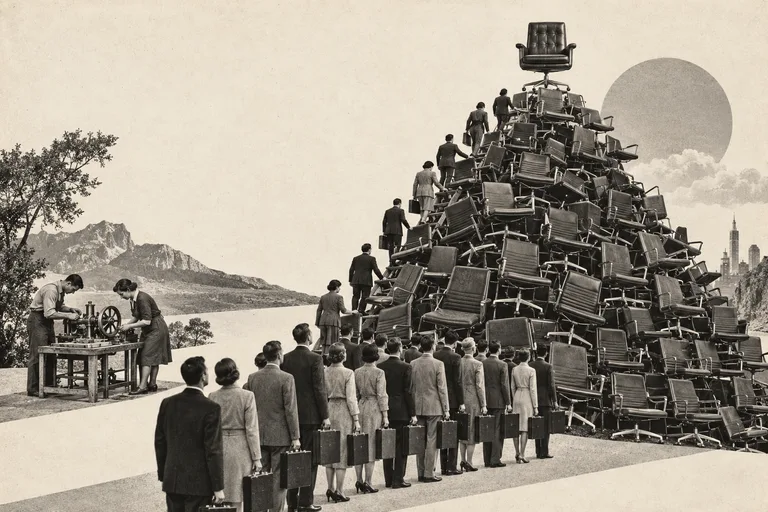
- 02.09 Elite Overproduction at Work AI makes useful work cheaper to attempt. Organizations whose status depends on controlling that work have an adjustment to make.
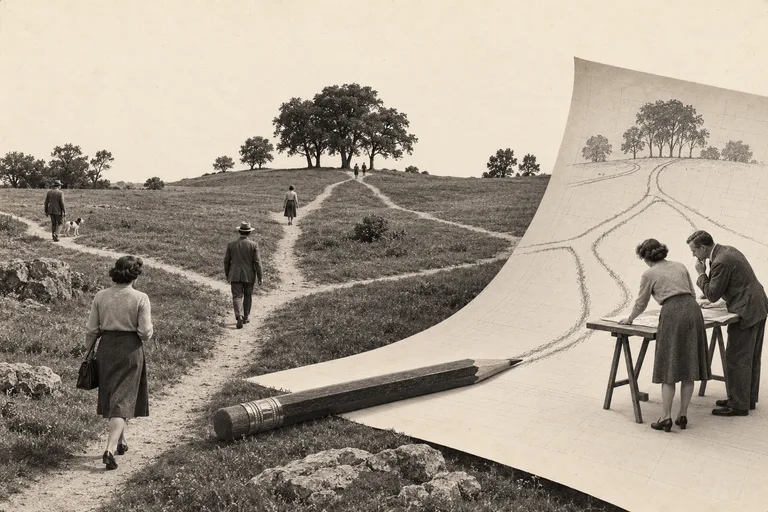
- 02.10 Emergent Software Development People who know the work can help make the software while discovering what it needs to do. The structure grows from use.
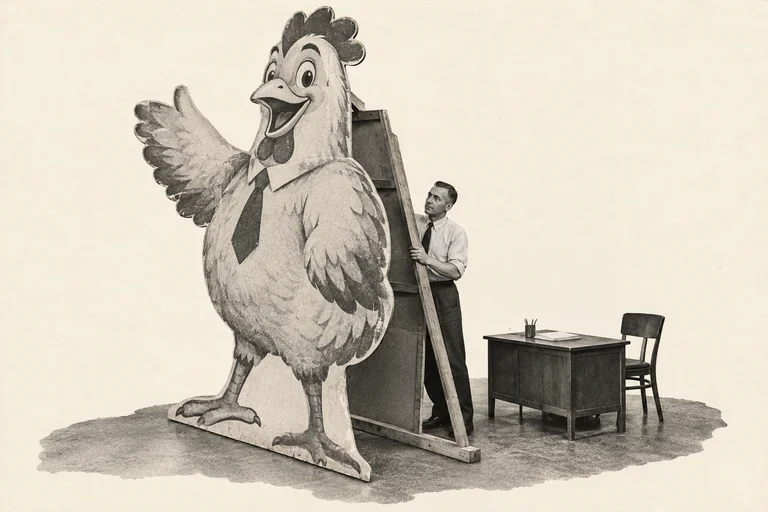
- 02.11 The Happy Mascot Problem A cheerful chicken advertising the chicken shop is a small, perfect contradiction. Office life has its own versions, where belonging depends on endorsing the arrangement consuming your time.
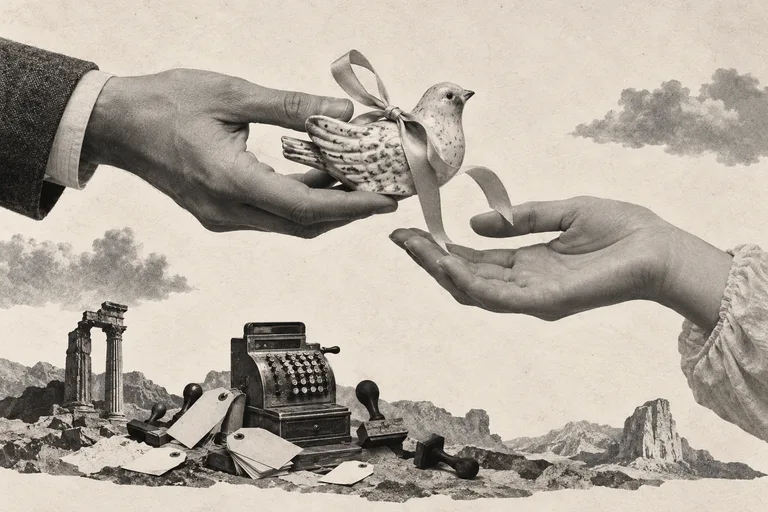
- 02.12 Gift, Not Asset A cultural argument for making generous, symbolically charged things without immediately turning them into assets to extract from.
Beliefs in detail
The more specific ideas behind the practice, with room to examine where each one helps and where it reaches its limits.
- 03.01 Taste as Infrastructure Write down the judgment that matters, try it against real work, and keep it open to correction.
- 03.02 The Ratio Shift As AI moves behind the scenes, the people affected still need to see, question, and change the judgment it carries.
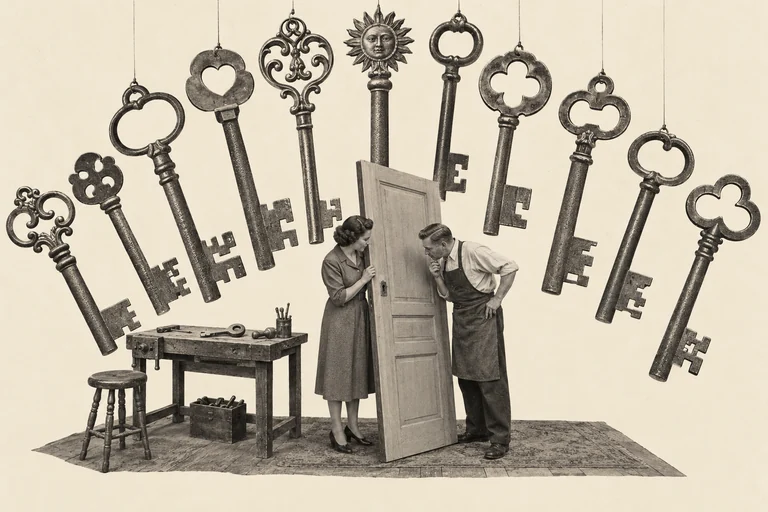
- 03.03 Software Inversion When a first version is easier to build, understanding the work becomes more consequential.
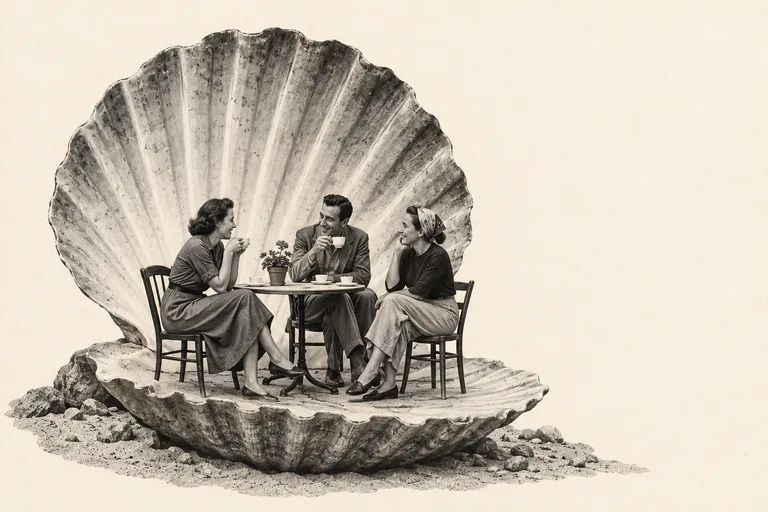
- 03.04 Worth Building for a Few A useful thing can be worth making for a small group of people. It does not need a plan to become everyone's platform.
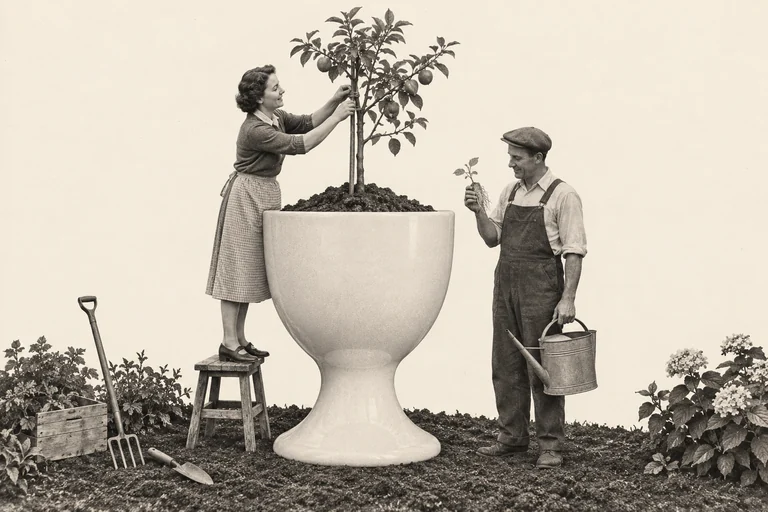
- 03.05 The Ability to Keep Going Useful work should leave people better equipped for the next problem, without requiring a factory before they can begin.
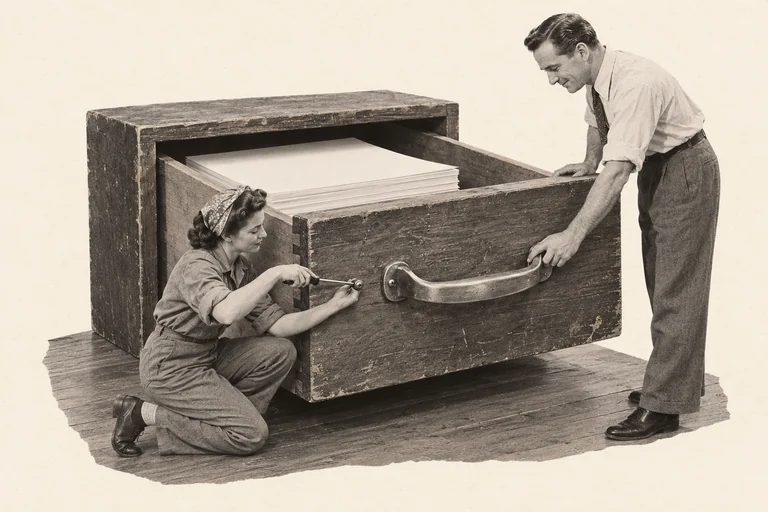
- 03.06 Start With a Useful Capability Find something specific that would help the person doing the work, then let use inform the larger investment.
- 03.07 Useful, Not Done Make something useful soon enough to learn from it, and finish enough of the work that people can rely on what you offer.
- 03.08 Friction Reduction Remove pointless burden. Keep the effort and attention that people need to understand, choose, learn, and care.
- 03.09 Keep What the Work Teaches Carry useful learning into the next piece of work, including the reasons to stop or choose a simpler approach.
- 03.10 Tools We Can Hand Over The methods and tools we bring should help customers continue the work without depending on us.
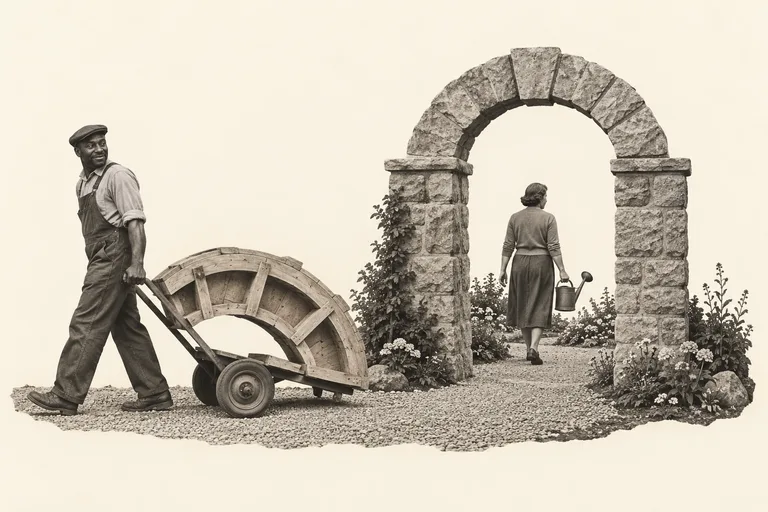
- 03.11 Work Ourselves Out of the Job Do useful work with people who care, charge for the time, and leave them more capable than when we arrived.
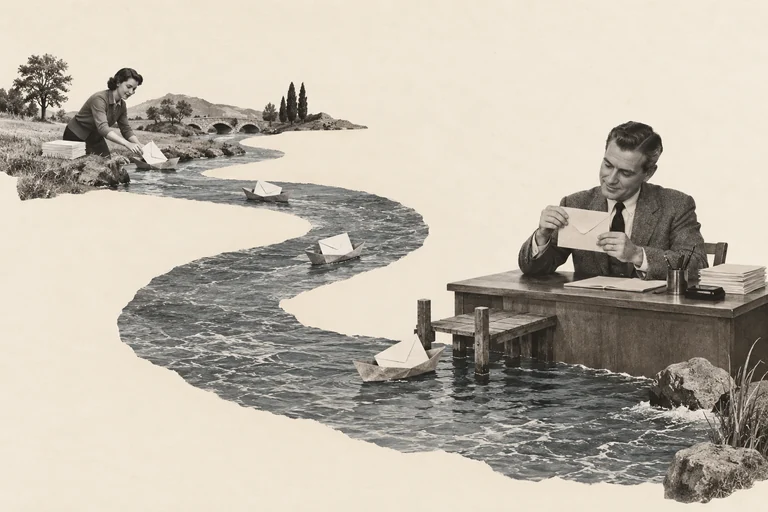
- 03.12 AI Around the Work Put AI where it helps an existing workflow, with results people can inspect and correct.
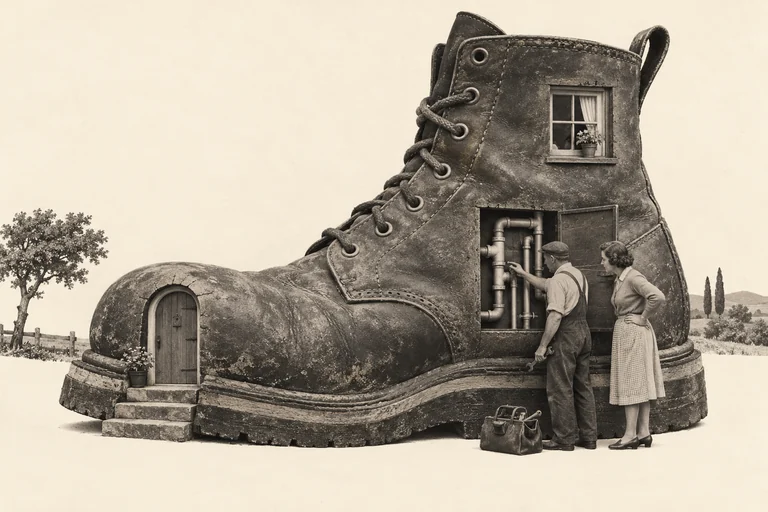
- 03.13 Choose the Layer You Can Live With Choose tools and infrastructure by what the customer can operate, change, and leave when they need to.
- 03.14 Exploration vs Execution Give experiments room to teach, give delivery a clear commitment, and notice when the work needs to change modes.
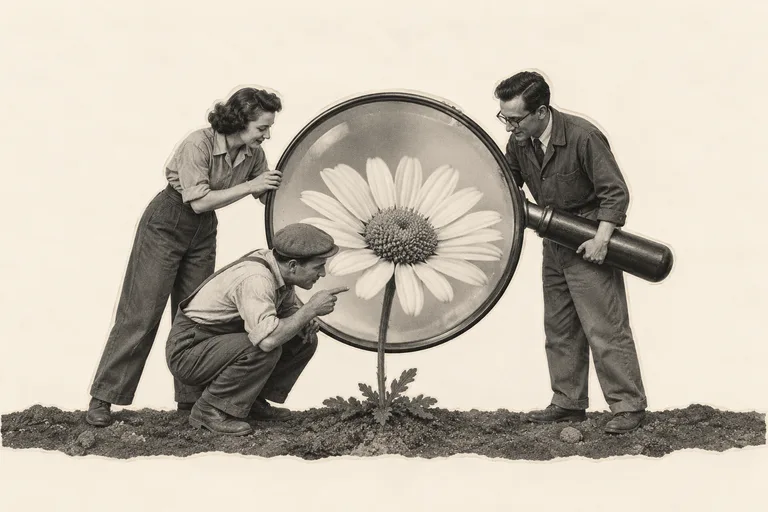
- 03.15 Collaboration Is Contribution What becomes easier, clearer, or more possible because we work together? That includes helping someone else become able to contribute.
- 03.16 Ability Is Not Obligation Removing grind should give people room to think, try things, connect with customers, and discover what they could contribute. Greater ability need not become a larger quota.
Projects
Systems, services, and working practices built with customers, alongside projects of our own.
- 04.01 Balsam AI Centre of Excellence We built and operated Balsam’s AI Centre of Excellence, bringing together customer-owned workbenches, reusable tools, shared context, and explicit judgment with hands-on support. Colleagues learn through real work: building useful tools and software, reviewing results, and using source control to make changes others can inspect and build on. The work stays visible as people share what they learn and bring their teams into the practice. A colleague who began without source-control experience now contributes changes and onboards her team, one example among many of the broader enablement work.
- 04.02 Balsam product pipeline We’re building Balsam’s internal product pipeline with its Product and Technology teams: shared rails for moving product work between people, tools, and systems. The pipeline brings together explicit business rules, product judgment, and AI assistance, with human-review interfaces where people can inspect the context, resolve exceptions, and decide what happens next. Observability makes the work, decisions, and changes traceable across the pipeline. Balsam owns the source and infrastructure, with a working foundation its teams can continue to develop.
- 04.03 Just In Case Oregon We designed and built the service behind Just In Case Oregon, which makes no-cost naloxone available by mail to Oregon residents. The work spans service design, a privacy posture that limits the personal information collected and retained, and a simple request journey without accounts or identity checks. An operational pipeline carries requests through review, shipping, and exception handling. We built a working surface for fulfilment and customer-support operations, giving the team the context and tools to manage requests, correct problems, and help people receive their orders.
- 04.04 AEA Italia claims modernisation We’re helping AEA Italia assess how to modernise its claims operations. The analysis connects everyday claims work with larger technology choices: where to adopt specialist platforms, extend existing systems or build new capabilities. We’re examining the tradeoffs in integration, control and delivery capacity, with a focus on where AEA’s own investment could create a better service for insurers and their customers.
- 04.05 BRABUS social media operations We helped BRABUS explore where AI could improve its social media operations. We translated the team’s questions into dashboards and analyses of content, campaigns and product launches, tested available data sources, and made the evidence and its limitations visible. We handed over the dashboards, findings and recommendations to inform the team’s next steps.
- 04.06 Workbenches A customer-owned place to bring real work, judgment, and AI tools together, and improve them through use.
- 04.07 Smaak Judgment that people and their AI tools can apply, question, and improve: principles, constraints, examples, and standards.
- 04.08 MOOI NIET. A gallery experiment in making, circulating, and living with art. Giving unfamiliar work time to become part of a life.
- 04.09 AI Agent Workshop A workshop game where teams teach AI agents to handle simulated maintenance requests. Write instructions, try them in a toy factory, and compete to improve the results.
- 04.10 KaapEngine A recreation of Gerald van der Kaap’s 1996 internet artwork. Search through fragments of poetry to make tiled compositions of photographs, following words into unexpected images.
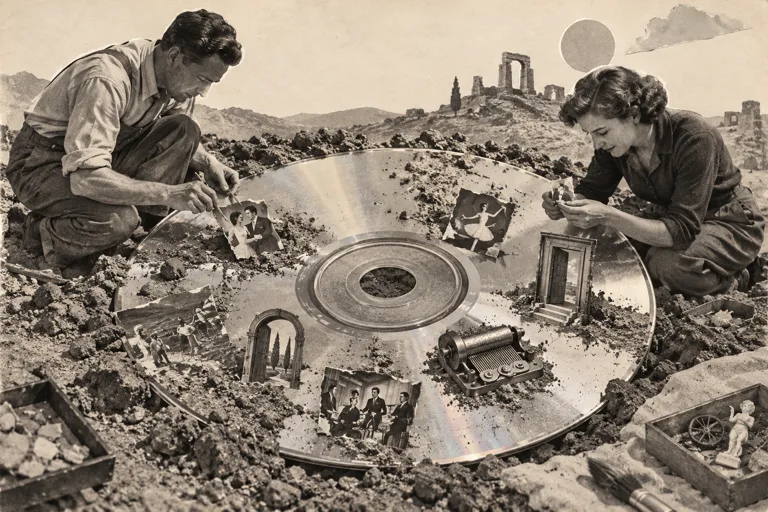
- 04.11 BlindRom An archive and emulation project for Gerald van der Kaap’s 1993 CD-ROM artwork: images, music, video, and unruly interactive experiments worth preserving.
Taste and influences
Reading editions of our Smaak packages: philosophy, methods, standards, and principle catalogues. The judgment behind the work, and the thinkers who help us question it.
- 05.01 Goose Group Useful work with people who care. Human-first AI enablement, creative freedom, independent advice, simple arrangements, and room for delight.
- 05.02 Rory Sutherland Behavioural science and creative reframing: 75 principles for finding what the usual business brief leaves out.
- 05.03 Mark Fisher Read the words and rituals that keep an organization performing what its people no longer believe.
- 05.04 David Graeber Understand what a ritual is for, who carries the work of understanding, and how the arrangement could change.
About us
07 entries


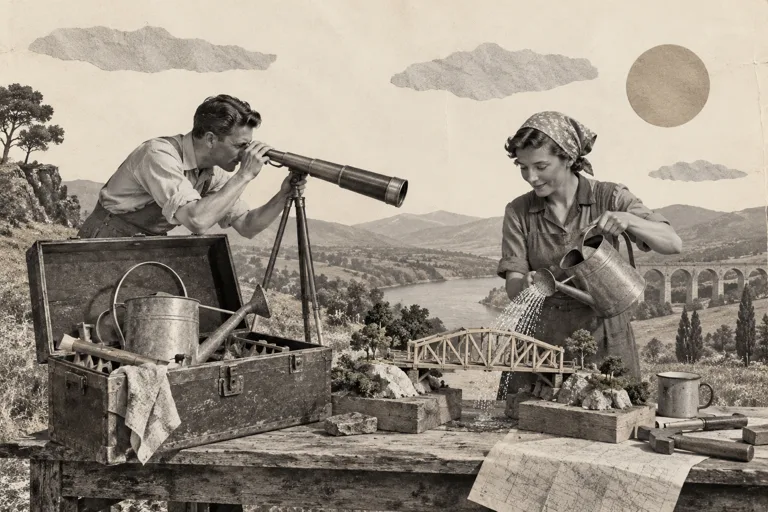
Essays and questions
12 entries-
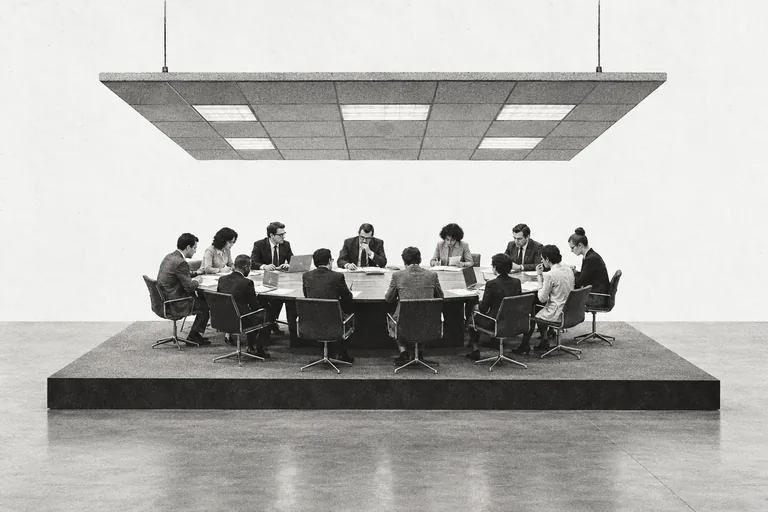 02.01
02.01Kayfabe at Work
-
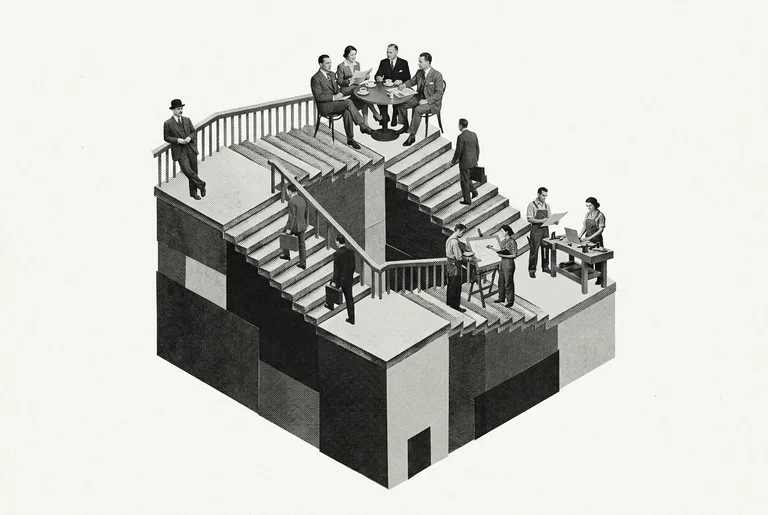 02.02
02.02Management in the Age of Mechanical Observation
-
 02.03
02.03Service design matters more when software gets cheaper
-
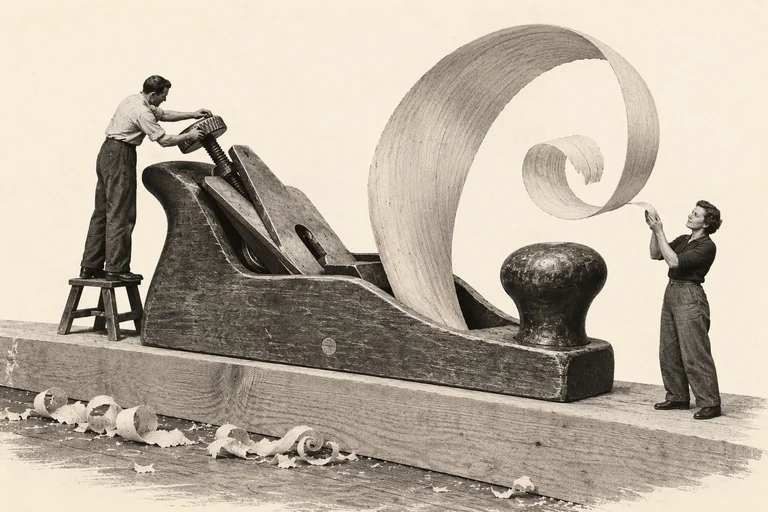 02.04
02.04Friction Should Earn Its Place
-
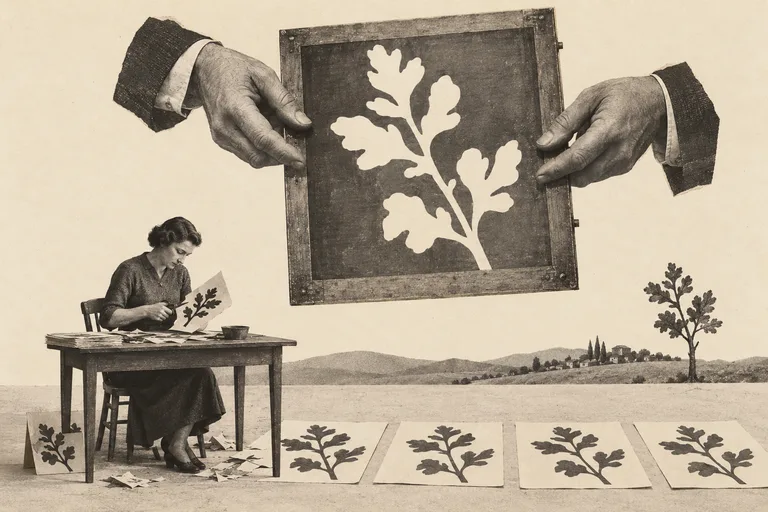 02.05
02.05Encoding Taste in Practice
-
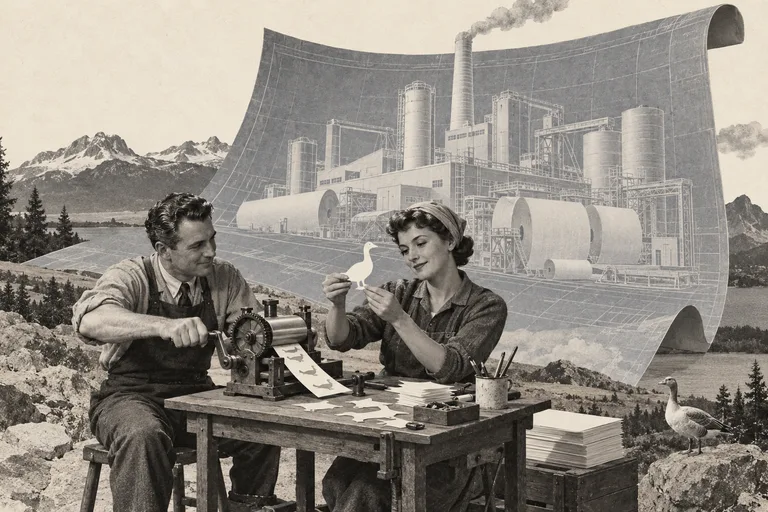 02.06
02.06Useful Before Complete
-
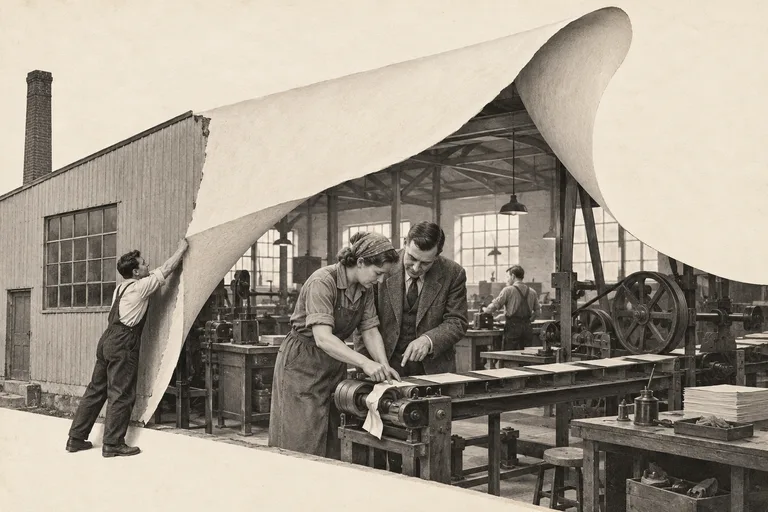 02.07
02.07See the Work
-
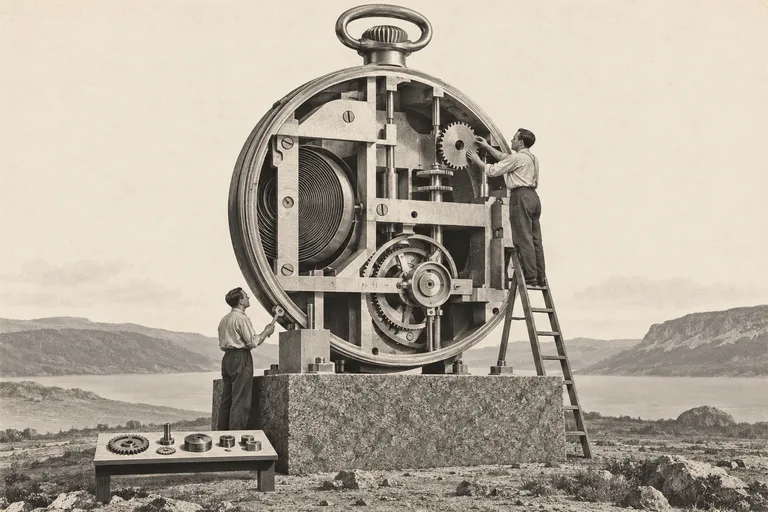 02.08
02.08How We Build
-
 02.09
02.09Elite Overproduction at Work
-
 02.10
02.10Emergent Software Development
-
 02.11
02.11The Happy Mascot Problem
-
 02.12
02.12Gift, Not Asset
Beliefs in detail
16 entries-
 03.01
03.01Taste as Infrastructure
-
 03.02
03.02The Ratio Shift
-
 03.03
03.03Software Inversion
-
 03.04
03.04Worth Building for a Few
-
 03.05
03.05The Ability to Keep Going
-
 03.06
03.06Start With a Useful Capability
-
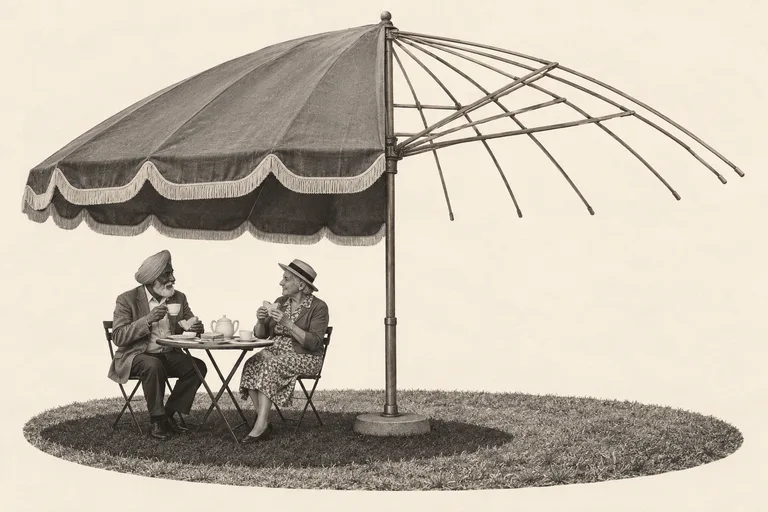 03.07
03.07Useful, Not Done
-
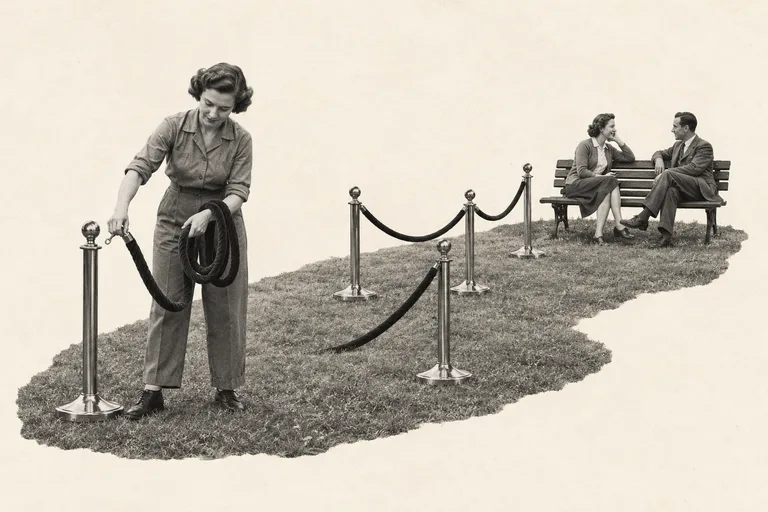 03.08
03.08Friction Reduction
-
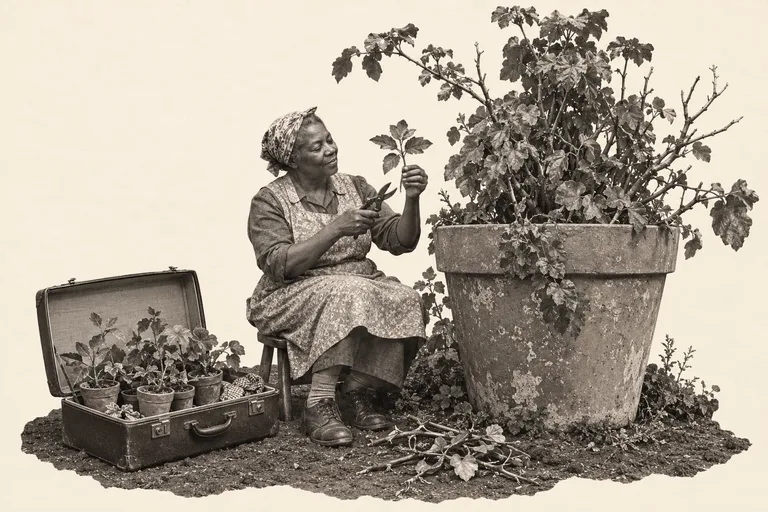 03.09
03.09Keep What the Work Teaches
-
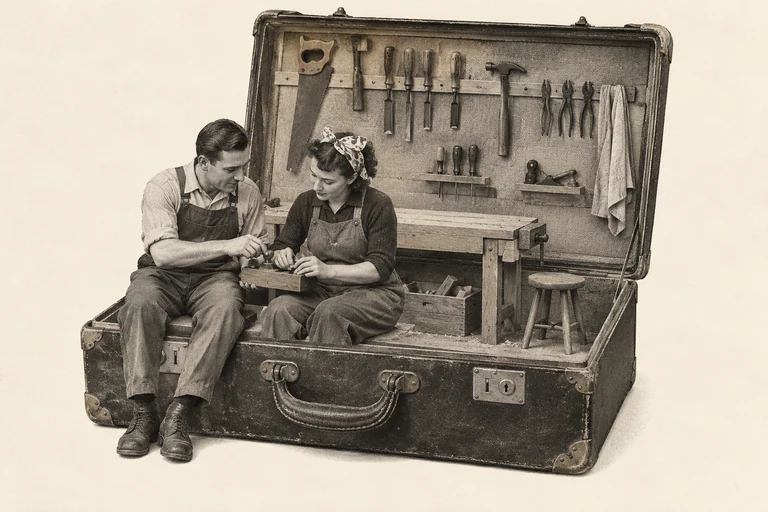 03.10
03.10Tools We Can Hand Over
-
 03.11
03.11Work Ourselves Out of the Job
-
 03.12
03.12AI Around the Work
-
 03.13
03.13Choose the Layer You Can Live With
-
 03.14
03.14Exploration vs Execution
-
 03.15
03.15Collaboration Is Contribution
-
 03.16
03.16Ability Is Not Obligation
Projects
11 entries



Taste and influences
04 entries
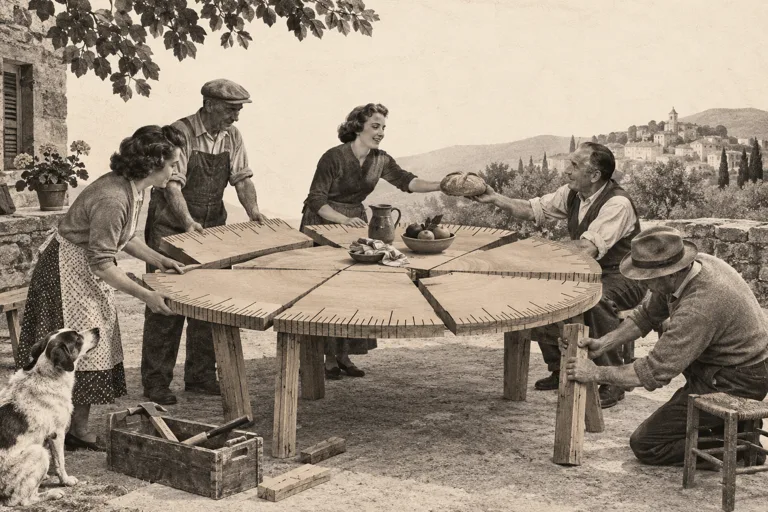
Original conceptual illustrations made with AI for Goose Group.