Keep What the Work Teaches
A piece of work should leave us with a better starting point for the next one. That might be a useful tool, a clearer example, a corrected assumption, or the discovery that a promising idea does not help.
We call this capability compounding when the learning makes later work easier or better. The word describes a possibility, not a mathematical law. A pile of abandoned prototypes is still a pile of abandoned prototypes.
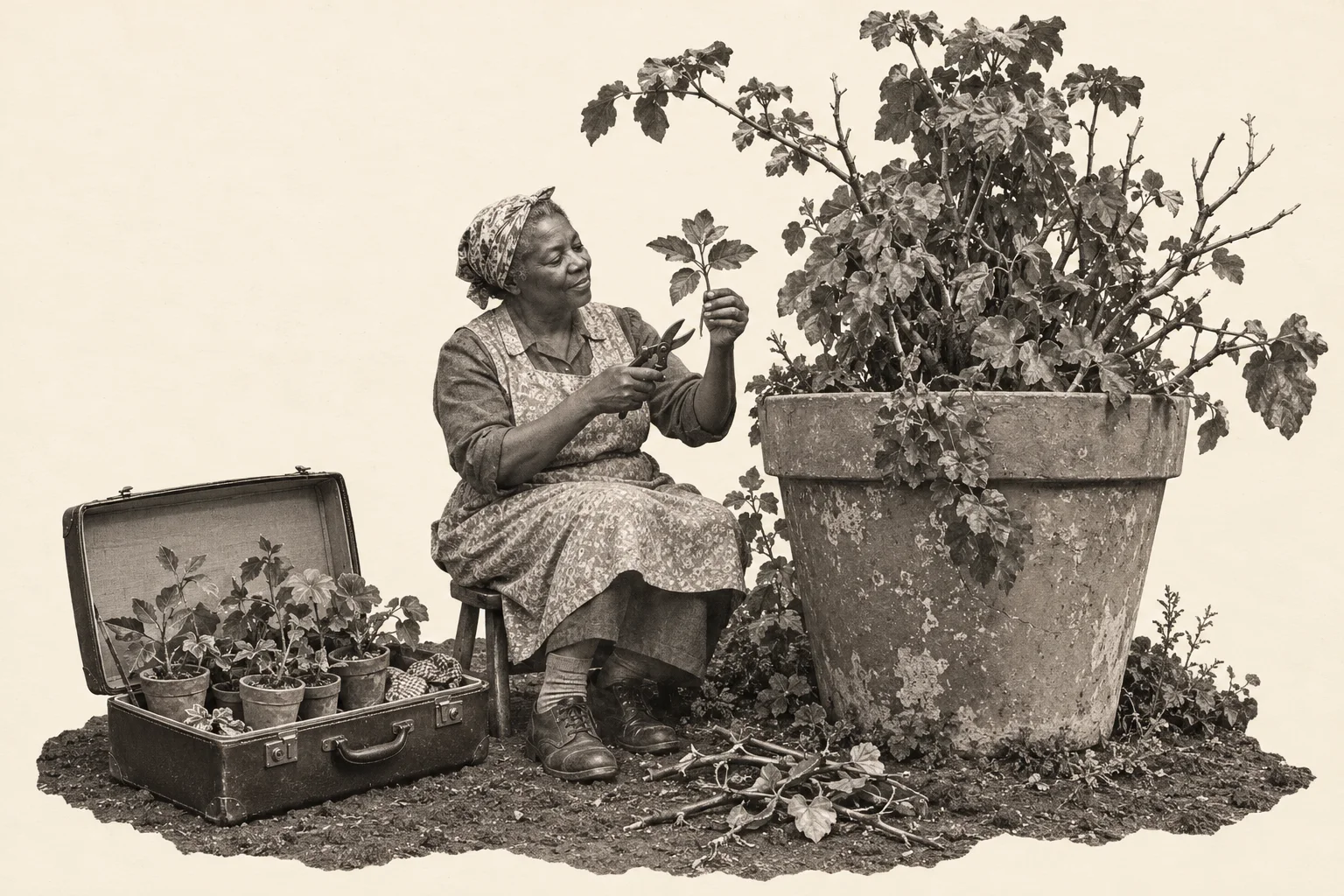
Keep what someone can use
Good examples can help another person recognize the same problem. A correction can become part of a method. A repeated task may justify a reusable tool. Each is worth keeping because of the work it supports, rather than because it proves how busy we have been.
There should be an understandable home for that knowledge. Links to the source are usually more useful than a fresh summary that will soon disagree with it. Customer-specific material belongs with the customer; a reusable lesson needs to be separated deliberately from the circumstances that taught it.
A stopped experiment can still teach us something
Finding that a proposed tool would move work onto the wrong person is a result. So is discovering that people value the conversation we were about to automate. Neither needs a data warehouse or a follow-on project to justify having learned it.
What matters is whether the learning changes a choice. If we keep repeating the same mistake with a growing library of lessons learned, the library is not doing its job.
Carry forward what helps someone act. Retire the rest when its cost exceeds its use.
Original illustration generated with AI for this belief.