Tools We Can Hand Over
We build tools for our own work and use them to help customers with theirs. A useful method can travel: a way to compare examples, examine a workflow, or bring the right context into an AI session.
That saves starting from nothing. It also gives the customer something they can inspect and change. The method should become more understandable through working together, rather than acquire an aura of proprietary magic.
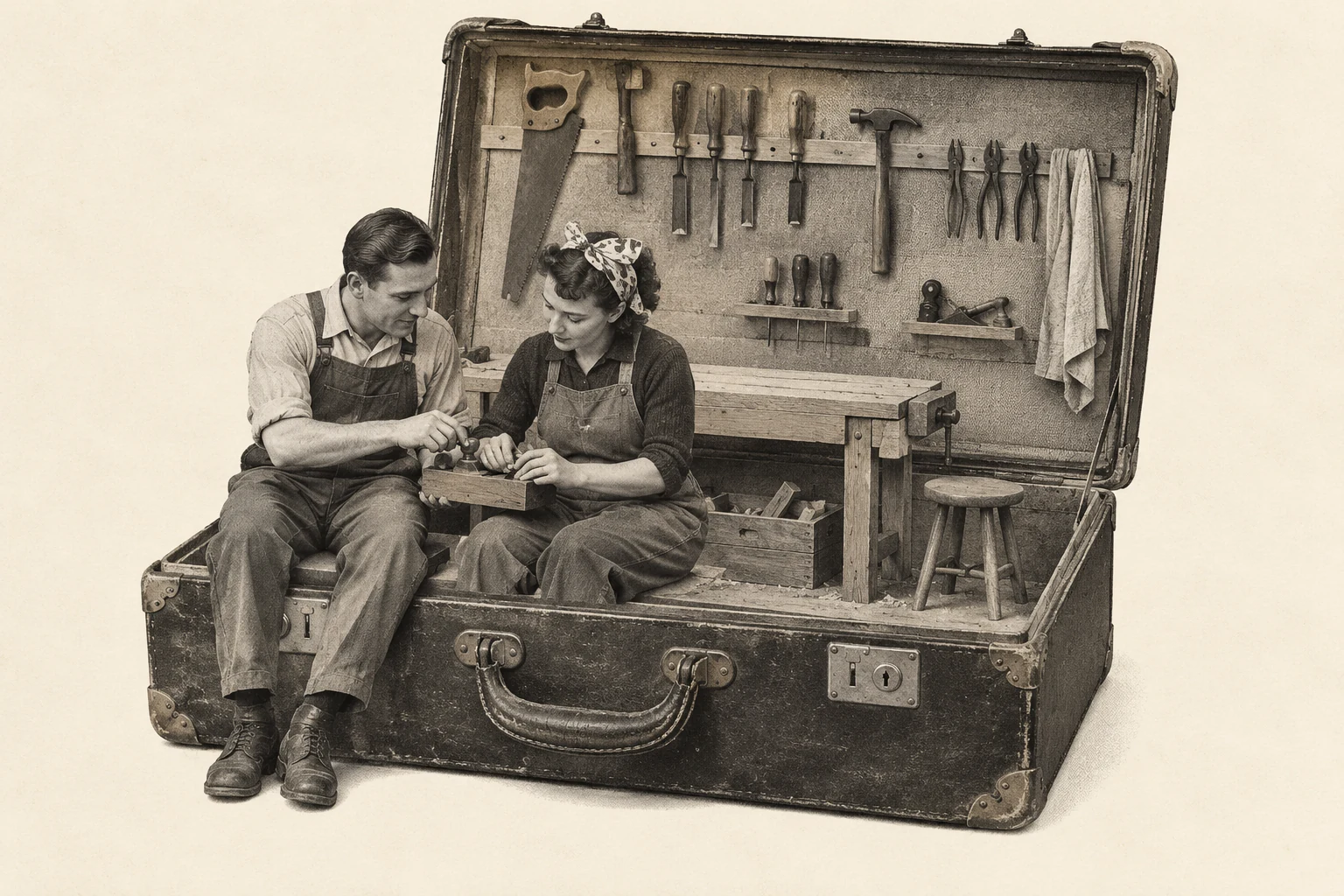
Reuse the method, respect the source
Customer records, examples, decisions, and working knowledge stay in the customer’s environment. A lesson that could help elsewhere needs to be separated from private material and judged on its own merits. We do not treat access to somebody’s work as permission to turn it into ours.
We adapt reusable methods to the people and systems in front of us. Sometimes the right result is a configured tool; sometimes it is a clearer way to use something they already have. A project does not owe us a new piece of machinery.
A handoff has a human on the other side
Giving someone a repository is only the beginning. They may need to see how a decision was made, work through an example, or make the first change with us beside them. That time is part of the work.
We want customers to know what they have, what they can change, and where help may still be needed. A simple tool they can look after is a better inheritance than an impressive system that brings them back to us for every correction.
Collaboration Is Contribution explains the shared responsibility. Our tools should make that collaboration easier and leave people more able to continue it.
Original illustration generated with AI for this belief.